

Nature's most nutrient-dense foods

Organ meats are naturally nutrient-dense foods, providing a broad range of vitamins and minerals that support the body’s everyday functions. Once a natural part of nose-to-tail eating, they’ve largely disappeared from modern diets. Organ supplements make that traditional nourishment easy to bring back, without the sourcing, preparation or cooking.
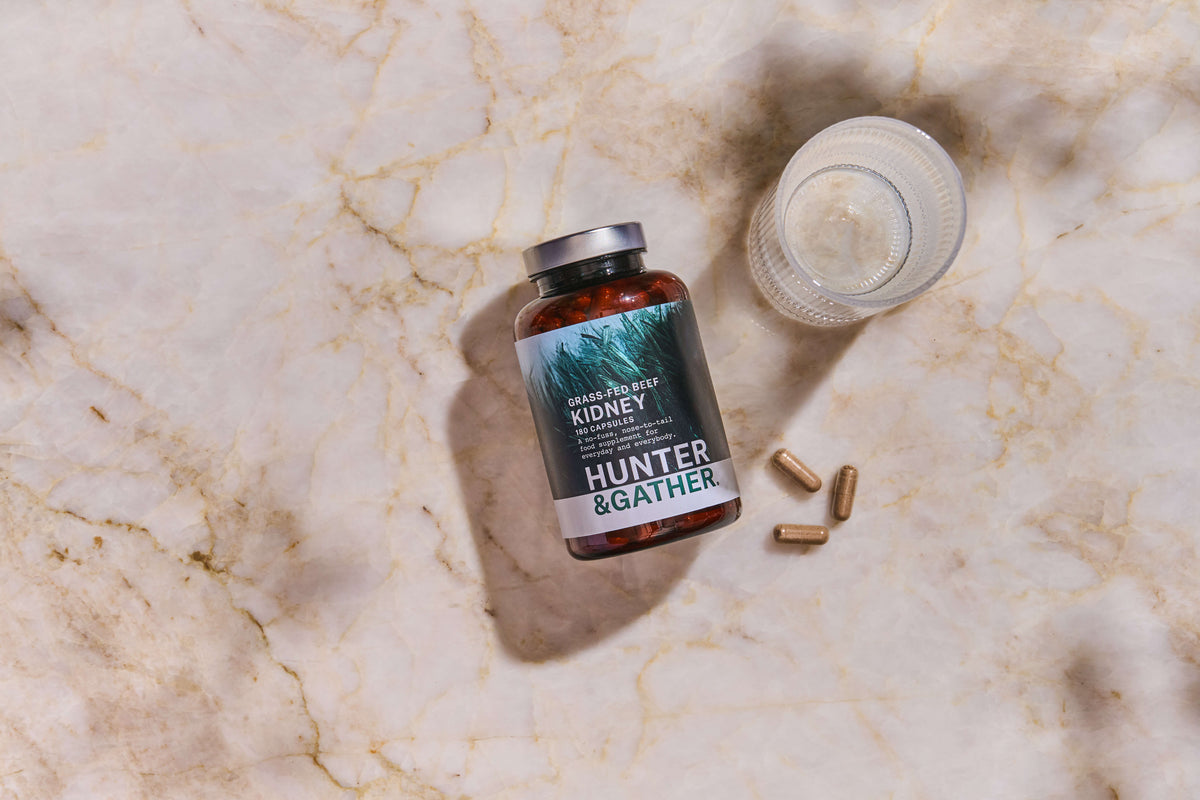
When to take your supplements

With food, at whatever time suits you best

Taken with breakfast or your main meal

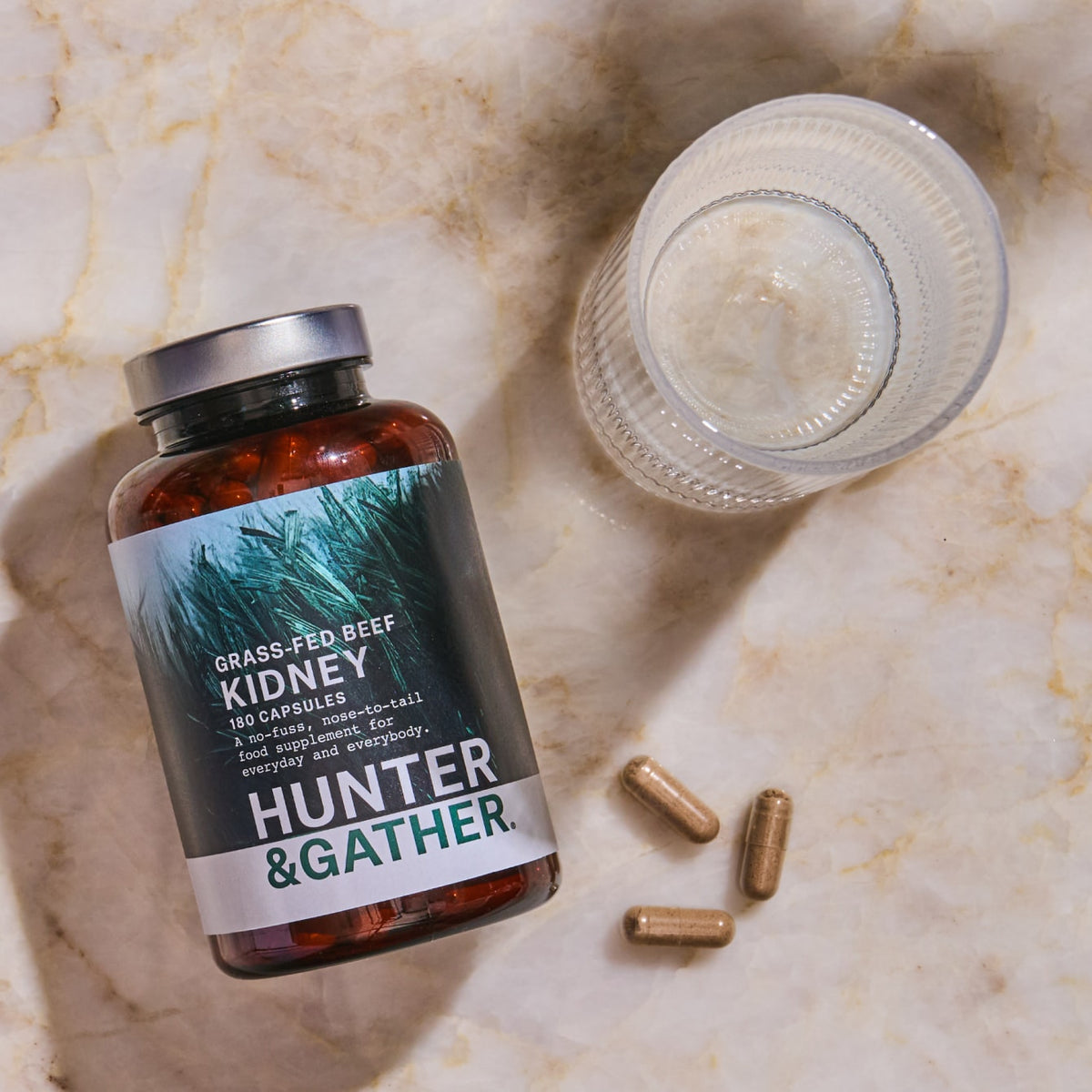
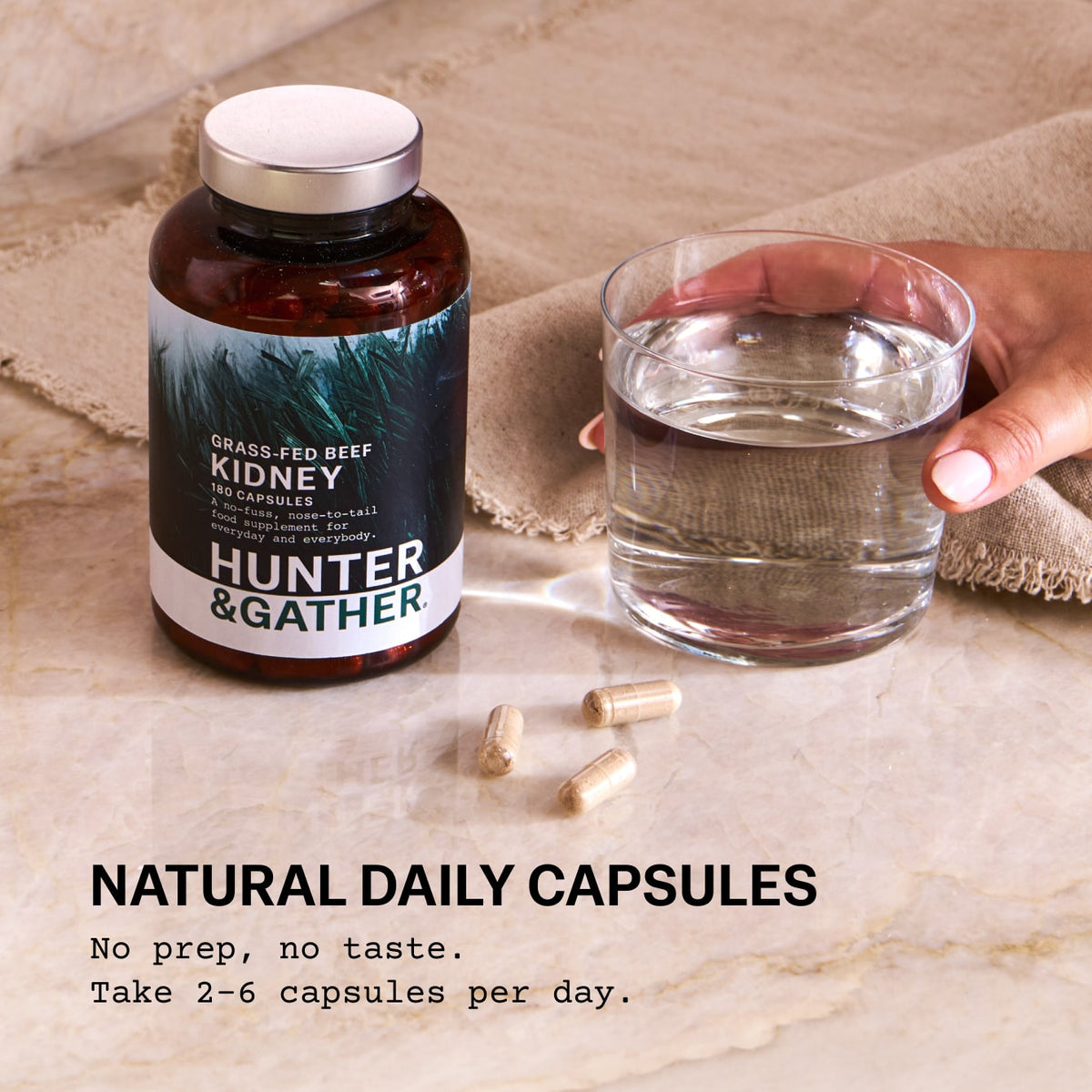
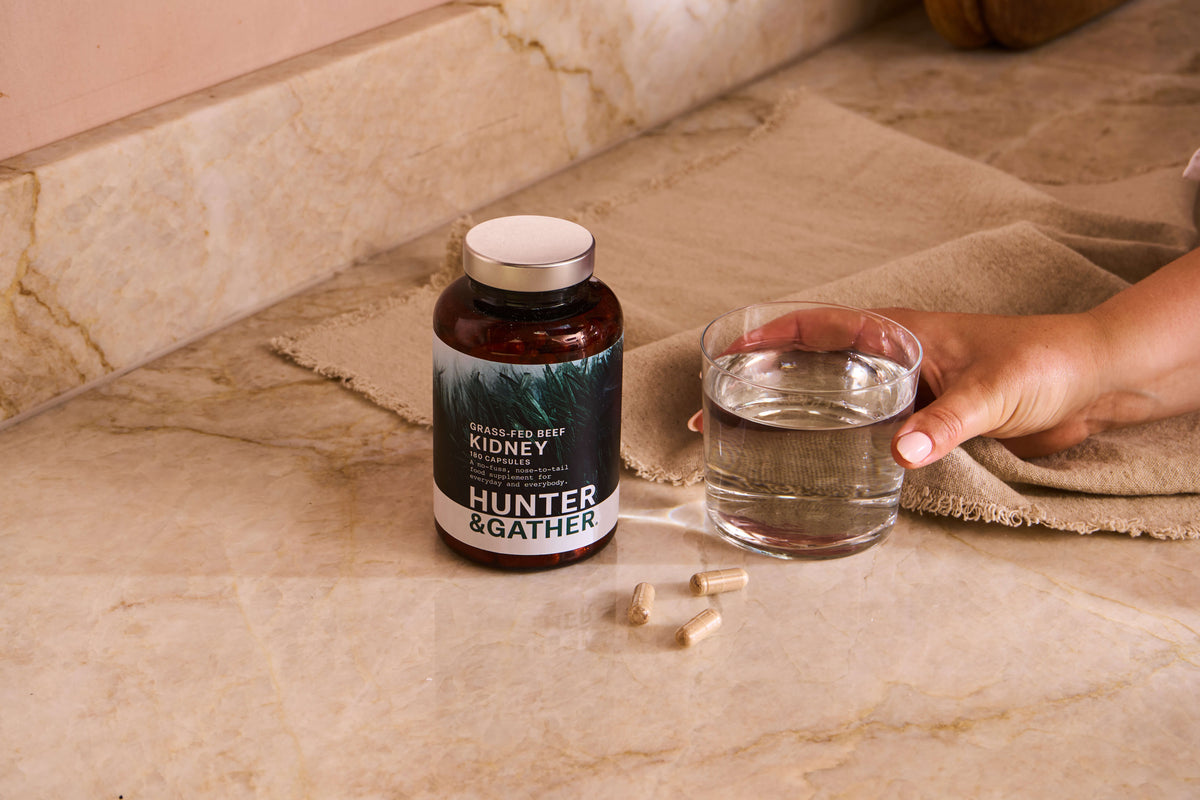
Put Kidney Capsules beside the breakfast you already eat. Take two to six capsules with food and water, starting with two if organ supplements are new to you.

Grass-fed British kidney is naturally nutrient-dense, so this is the simplest way to bring a food many of us rarely cook back into the week. Breakfast gives the capsules a fixed cue and keeps the habit connected to food, not a supplement drawer.

How our organ supplements compare

See how Hunter & Gather organ supplements compare to alternatives

Our Capsules OursArtificial multivitaminsOther organ capsules
NUTRIENT SOURCEWhole foodIsolated compoundsVaries
INGREDIENTSOneOften manyVaries
BULKERS AND FILLERSNoneCommonVaries
ANTI-CAKING AGENTSNoneCommonVaries
SOURCINGGrass-fed BritishOften unstatedVaries
THIRD-PARTY TESTED YesVariesVaries

354,000+ happy customers

Reviews.io Excellent

41,703 reviews

B Corp Certified

7× Great Taste Award Winners

Customer Reviews

What are Grass-Fed Beef Kidney Organ Supplements?

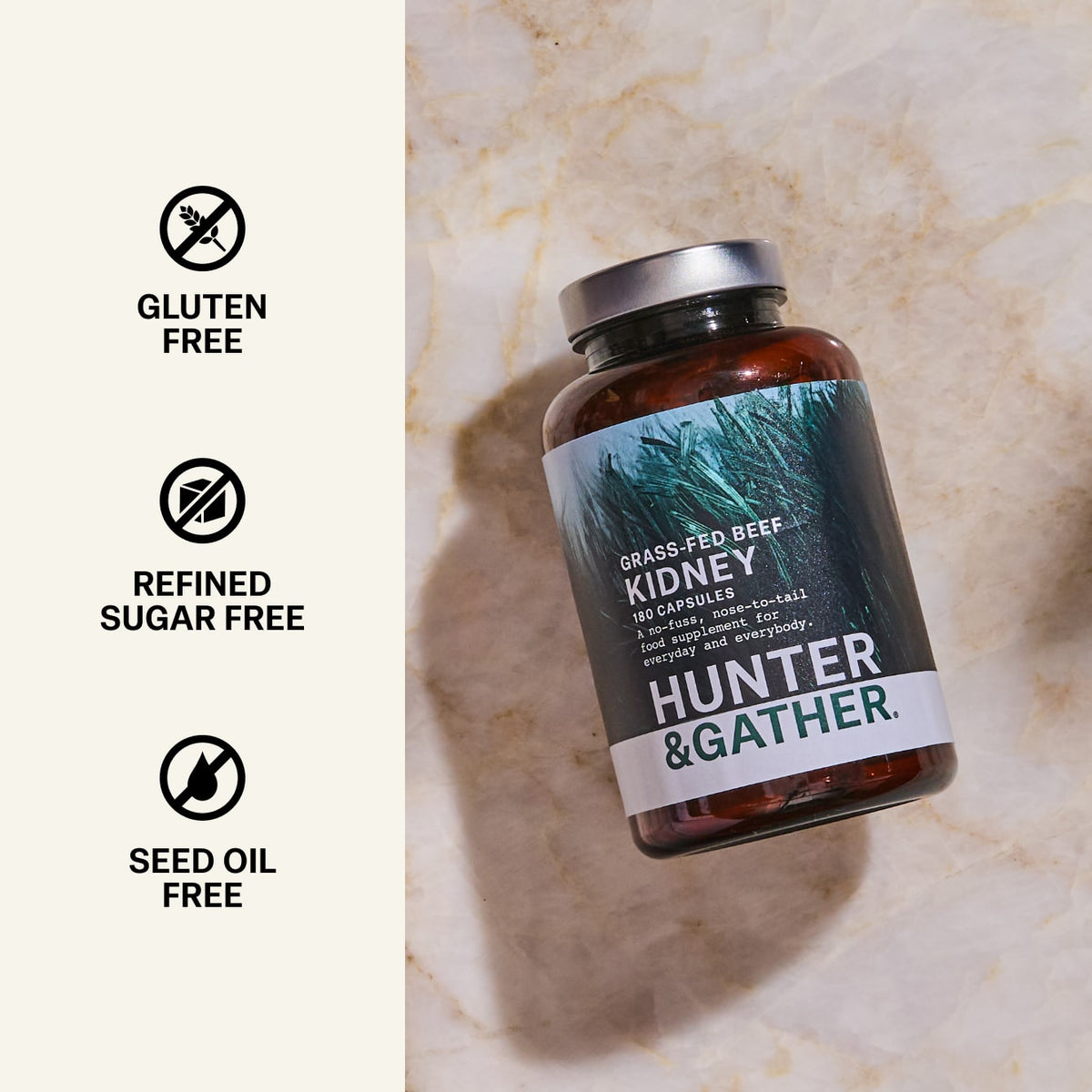
Grass-Fed Beef Kidney Organ Supplements are freeze-dried beef kidney in capsule form. The kidney comes from grass-fed British cattle and is gently freeze-dried to help retain its naturally occurring nutrients. There is one ingredient and nothing else, with no fillers, anti-caking agents or synthetic isolates. Freeze-drying is what keeps them shelf stable, with nothing added to bulk them out.

How many kidney capsules should I take a day?

Take between two and six capsules a day, with food and water. If you are new to organ supplements, start with two and build up gradually. The capsules can be taken together or spread across the day. Taking them consistently matters more than the time you choose, and two is plenty for most people starting out.

What is the difference between liver and kidney capsules?

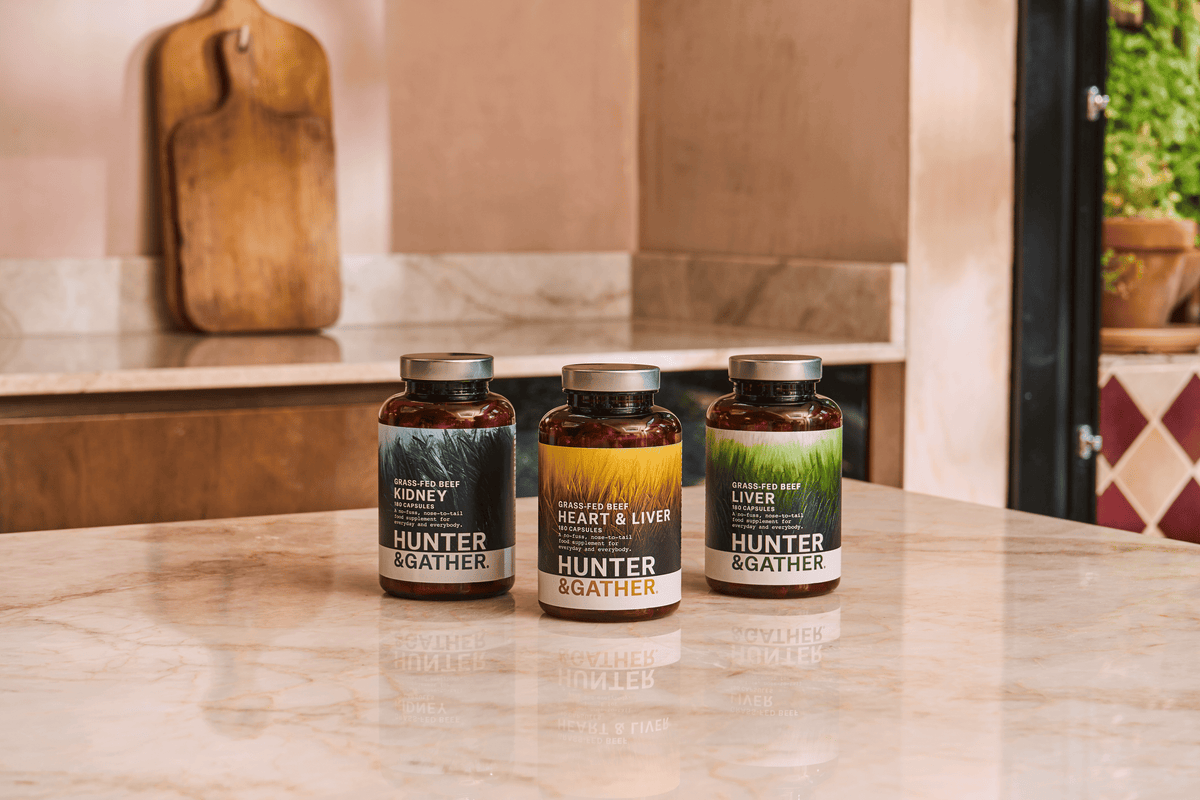
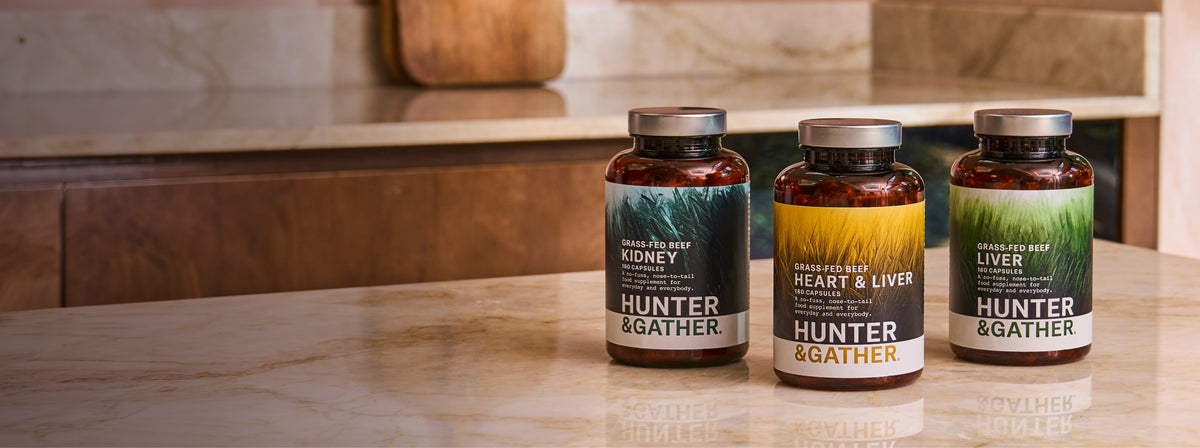
The difference between our liver and kidney capsules is the organ itself, and the nutrients each one naturally contains. Both come from the same high-welfare, grass-fed British cattle and are freeze-dried in exactly the same way, to the same standard. Plenty of people take both as part of a nose-to-tail approach.

Are the capsules suitable for vegetarians?

No. The kidney itself is a meat product, and the capsule shell is made from gelatin, so these are not suitable for vegetarians or vegans. They contain nothing else: no fillers, no bulkers, no anti-caking agents, no silica and no added sugars or sweeteners. The jar itself is recyclable.

How should I store my kidney capsules?

Store the jar somewhere cool and dry with the lid closed, and there is no need to refrigerate them. Freeze-drying is what keeps the capsules shelf stable, so they need nothing more than a cupboard. Check the best-before date printed on the jar, and keep the lid closed between uses.

COMMON QUESTIONS

Frequently Asked Questions