




Top 7 Signs Your Body Needs More Collagen
|
|
Time to read 6 min
 Bone Broth
 Collagen
|
|
Time to read 6 min
Collagen is often talked about as if it’s a beauty ingredient, but at its core, it’s simply a natural protein found throughout the body. As we get older, and as our lifestyles become more fast-paced, many people begin to notice subtle shifts that suggest their body may benefit from more protein from collagen-rich foods.
If you’ve ever wondered about the signs your body needs collagen, or whether low intake of collagen-rich foods could be showing up in your daily life, this guide walks you through the most common indicators, why they happen, and how to support your body naturally.
Table of Content
Collagen is the most abundant protein found in the body, forming part of the structure of skin, muscles, ligaments, bones, gums and connective tissues. Rather than thinking of it as a “beauty booster,” it’s more accurate to see collagen as a structural protein that helps keep things feeling supported and functioning smoothly.
Protein plays a role in maintaining normal bones and muscles, and collagen is one way people choose to increase their overall protein intake. Many traditional diets included collagen-rich foods such as broth, slow-cooked meats and cuts containing connective tissues, whereas modern diets tend to rely heavily on lean muscle meats alone.
Because collagen is so widely distributed in the body, it’s not unusual for people to become more aware of its role as they age or when their diet doesn’t naturally include collagen-rich foods.
Collagen levels don’t stay the same throughout our lives. They naturally shift and change, especially as part of the normal ageing process.
From your mid-20s onwards, the body gradually produces less collagen each year. It’s a normal, expected part of getting older. But external factors can influence this too. For example, stress, late nights, a less-than-nourishing diet, UV exposure and high-intensity lifestyles can all increase the demand placed on the body.
Because of this combination of natural ageing and daily stressors, many women begin to recognise subtle signs associated with low intake of collagen-rich foods — especially between the ages of 25 and 45.
While collagen isn’t something you can “measure” easily, there are certain day-to-day experiences that often prompt people to explore collagen-rich foods or supplements as part of a whole-food approach.
These signs aren’t medical diagnoses; they’re simply common cues that your lifestyle or diet may not be giving your body as much of this natural protein as it once had.
A gradual change in skin appearance is very normal with age. Many people begin introducing collagen-rich foods when they notice their complexion looking a little less bouncy or luminous than before.
Fine lines can appear more quickly when the body produces collagen more slowly. Some women find that supporting their overall protein intake helps maintain a more resilient, healthy-feeling complexion.
Hair naturally changes throughout life. Increased stress, nutrient gaps and normal ageing can all influence how thick or strong it looks. These shifts often lead people to consider whether their diet provides enough supportive nutrients, including collagen-rich sources.
Soft or peeling nails are incredibly common and can be linked to many lifestyle factors, including low protein intake or nutrient gaps.
Feeling “creaky” or slow to get moving is another common experience that tends to show up as natural collagen levels decline.
Recovery can feel different in your 30s and 40s compared with your early 20s. Because collagen is a structural protein, many active people look toward collagen-rich foods to help support their overall protein intake.
Late nights, busy schedules, cold weather and long hours at a desk can all show more noticeably as collagen declines. This is often when people start exploring collagen-rich foods for additional nutritional support.
Further Readings
→ Bovine Collagen vs Marine Collagen: Which Is Better For You?
Collagen levels may decline with age, but there are plenty of ways to support your body through food, lifestyle and daily habits.
Including a variety of protein sources helps ensure your body has access to the building blocks it needs. This might include meat, eggs, fish, bone broth, gelatin or collagen-rich cuts.
Fruits, vegetables and whole foods provide antioxidants and vitamins that help the body function at its best. They work synergistically with protein to support natural processes.
Chronic stress and poor sleep can impact many aspects of well-being. Supporting rest, recovery, and relaxation can help the body maintain balance.
Long-term exposure to UV light, smoking and high sugar intake are all known to affect the natural ageing process. Small, consistent changes can make a meaningful difference over time.
In an ideal world, we would all eat nose-to-tail, enjoy long-simmered broths, and regularly include collagen-rich cuts in our meals, just like our ancestors did. But modern lifestyles often look very different.
For this reason, many people use collagen supplements as a simple, convenient source of natural protein that fits easily into everyday routines. A scoop added to coffee, smoothies or meals can help increase overall protein intake, especially for those who struggle to get enough from food alone.
Collagen supplements aren’t a replacement for a balanced diet, but they can bridge nutritional gaps created by busy schedules, changing habits or reduced appetite.
They’re also versatile: unflavoured options blend seamlessly into drinks, while creamers offer a smooth, enjoyable way to incorporate collagen into a morning ritual.
The signs your body needs collagen often show up gradually, a complexion that feels different, slower recovery, changes in hair or nails, or the natural stiffness that comes with busy modern life. None of these signs is cause for alarm; they’re simply reminders that your body’s needs evolve over time.
By embracing a nutrient-dense, real-food diet and exploring collagen-rich foods or supplements, you can support your natural protein intake in a way that aligns with your lifestyle.
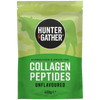
Whether you choose bone broth, collagen peptides or collagen creamers, the most important thing is consistency and choosing products made with clean, simple ingredients you can trust.
Hunter & Gather
Hunter & Gather are an ancestrally-inspired lifestyle brand that fuses ancestral wisdom and modern innovation to guide your journey to better health. Our mission is to give you the tools to thrive for life. We create real food and supplements that are free from refined sugar, grains and inflammatory seed oils, while championing premium quality and taste.
Common signs can include changes in skin appearance, reduced fullness in hair, brittle nails or feeling less supported through daily movement. These are often cues that your diet may be low in collagen-rich foods or natural protein sources.
Collagen production gradually slows as part of the normal ageing process. Stress, UV exposure, late nights and busy modern lifestyles can also increase overall demand on the body, making these changes more noticeable.
Yes. Traditional diets naturally included collagen through slow-cooked meats, bone broth, gelatin and connective tissue. Today, many people don’t eat these foods regularly, which is why collagen-rich foods are becoming popular again.
Not necessarily. Supplements are simply a convenient way to increase your intake of collagen-rich protein if you struggle to get enough from food alone. They fit easily into busy routines but should complement a balanced, real-food diet.
Certain habits, such as sun exposure, high stress, lack of sleep or a nutrient-poor diet, can influence how quickly signs of low collagen intake appear. Supporting your body with whole foods, rest, and balanced routines can make a noticeable difference.


