
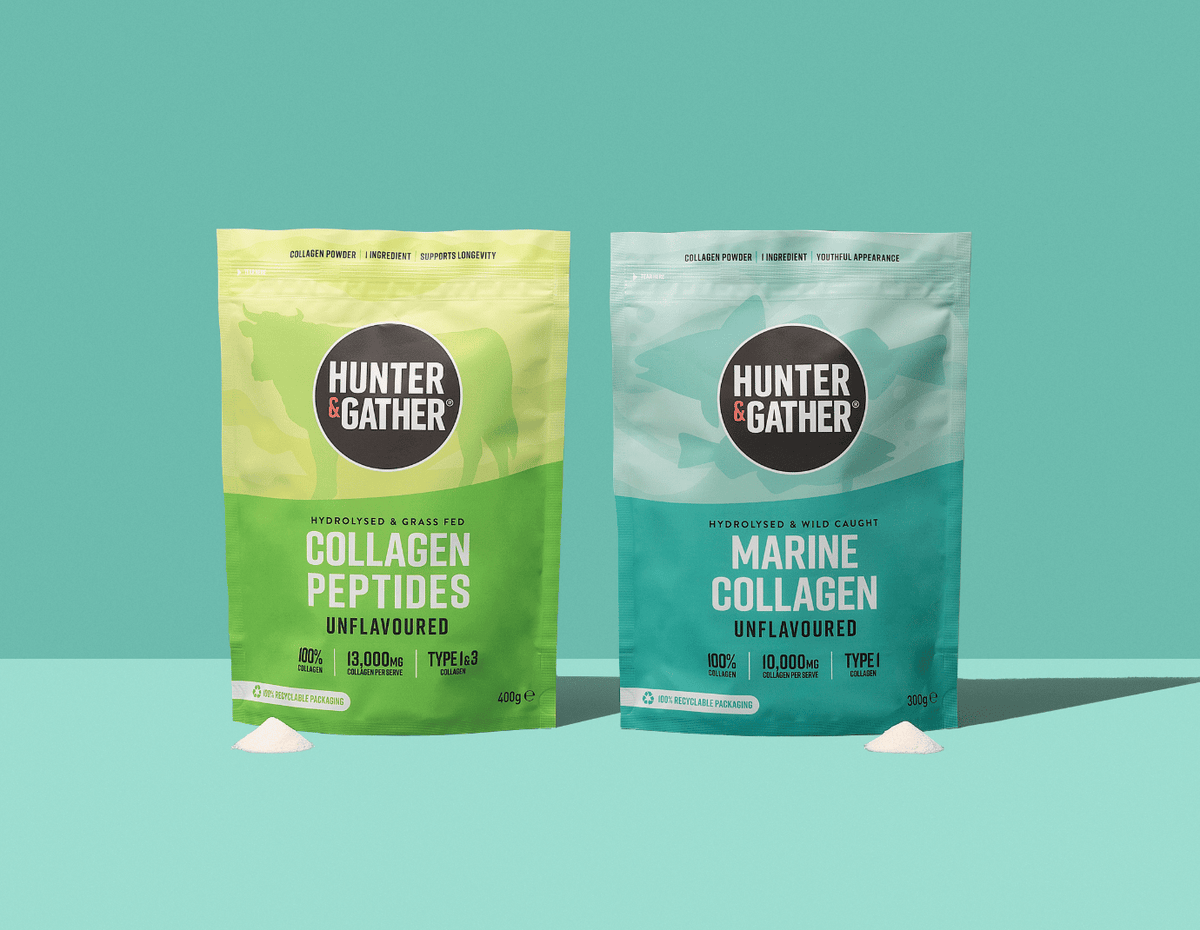
Collagen has become one of the most talked-about nutrients in the wellness world, and for good reason. As the most abundant protein in the human body, collagen provides structure and strength to skin, joints, bones and connective tissues. It helps maintain elasticity, supports gut health, and contributes to overall vitality. Yet, from our mid-twenties onwards, the body naturally begins to produce less collagen. This gradual decline can lead to visible changes in the skin as well as reduced flexibility and slower recovery.
While high-quality supplements are one of the easiest ways to top up, collagen can also be found naturally in certain foods. Choosing these foods regularly provides not only collagen but also other supportive nutrients that encourage the body’s own collagen production. Let’s take a closer look at what collagen is, why it matters, and which foods offer the richest sources.
What is Collagen?
Collagen is a structural protein composed of amino acids such as glycine, proline and hydroxyproline. It acts like a scaffold within the body, keeping tissues strong yet flexible. There are more than twenty types of collagen, but the majority found in humans is Type I, II and III. These forms provide strength to skin, hair and nails, elasticity to cartilage and joints, and resilience to bones.

Unlike many proteins that can be sourced from both plants and animals, collagen is only found in animal tissues. Some plant-based products marketed as “vegan collagen” are actually collagen boosters, containing nutrients such as vitamin C or amino acid precursors, rather than collagen itself. While these may support the body’s natural production, they are not the same as true collagen.
Why Collagen is Important
The importance of collagen stretches well beyond skin appearance. Collagen helps maintain smooth, supple and hydrated skin, which is why it is often associated with beauty routines. However, it also strengthens joints and ligaments, helping to reduce stiffness and discomfort, particularly as we age or lead active lives. In the gut, collagen supports the integrity of the intestinal lining, making it valuable for digestive health.

By incorporating collagen-rich foods or supplements consistently, you are essentially providing your body with the building blocks it needs to maintain structural health from the inside out. This is not about quick fixes but about long-term resilience and vitality.
Top 5 Collagen-Rich Foods
One of the best natural sources of collagen is bone broth, made by simmering animal bones and connective tissue for long periods. This process extracts collagen and turns it into a form your body can easily use. Bone broth also provides minerals such as calcium and magnesium, making it a nourishing all-rounder.

Oily fish with skin, such as salmon or mackerel, are another excellent source. The skin and scales contain marine collagen, while the omega-3 fats in the flesh help to reduce inflammation and support overall skin health. Eating the fish with skin on is a simple way to benefit.
Eggs contribute indirectly to collagen support. While they do not contain collagen itself, the whites are rich in proline, one of the key amino acids the body needs to produce collagen. Combined with their overall nutrient density, eggs are a valuable addition to a collagen-friendly diet.

Chicken is another food often overlooked. Much of its collagen is concentrated in the skin and cartilage, which is why traditional dishes such as chicken soup have long been considered restorative. Consuming chicken with skin or slow-cooking the carcass provides more collagen than lean cuts alone.
Finally, gelatine-rich foods provide collagen in a usable form. Gelatine is derived from collagen and found in dishes such as aspics, jellies or when adding powdered gelatine to recipes. It is particularly high in glycine, an amino acid vital for both collagen production and sleep quality.
How to Incorporate Them into Your Diet
Adding collagen-rich foods to your diet can be surprisingly easy. Preparing a batch of bone broth at the weekend and sipping it through the week is both nourishing and versatile. It can be enjoyed on its own, used as a base for soups, or even added to sauces for extra depth of flavour.
Including fish with the skin intact a few times per week not only increases collagen intake but also ensures a valuable supply of omega-3 fats. Scrambling or poaching eggs makes for a quick breakfast rich in amino acids needed for collagen synthesis, while roasting chicken with the skin on brings both flavour and functionality. For those who enjoy experimenting in the kitchen, gelatine can be incorporated into homemade gummies, panna cotta or even added to smoothies for a protein boost.
Collagen Supplements vs Food Sources
While food sources are important, it can be difficult to consume enough collagen through diet alone. Bone broth takes time to prepare, and many people do not regularly consume animal skin or connective tissues. This is where supplements play a useful role. Hydrolysed collagen peptides are broken down into smaller units that are easily absorbed by the body. They dissolve effortlessly into hot or cold drinks without altering flavour, making them a practical option for daily use.

The best approach is often a combination. By eating collagen-rich foods where possible and supplementing consistently, you can ensure your body receives both the raw materials and the added support it needs. This way, you are honouring traditional, whole-food practices while also making use of modern convenience.
Final Thoughts
Collagen is more than a beauty nutrient; it is a cornerstone of structural health in the body. Incorporating collagen-rich foods such as bone broth, fish, eggs, chicken and gelatine can help support skin elasticity, joint mobility and gut resilience. When combined with the convenience of a high-quality collagen supplement, these foods form part of a holistic approach to long-term wellbeing.
By consistently making these choices, you provide your body with the foundation it needs to age gracefully, recover more efficiently and feel more resilient every day.
Explore our Hunter & Gather Collagen range: premium, grass-fed, European-sourced, and designed to fit seamlessly into your daily wellness routine.
How to Use Electrolyte Powders for Recovery & Focus
Why Seed-Oil-Free Mayonnaise Matters for Inflammation & Hormonal Health