
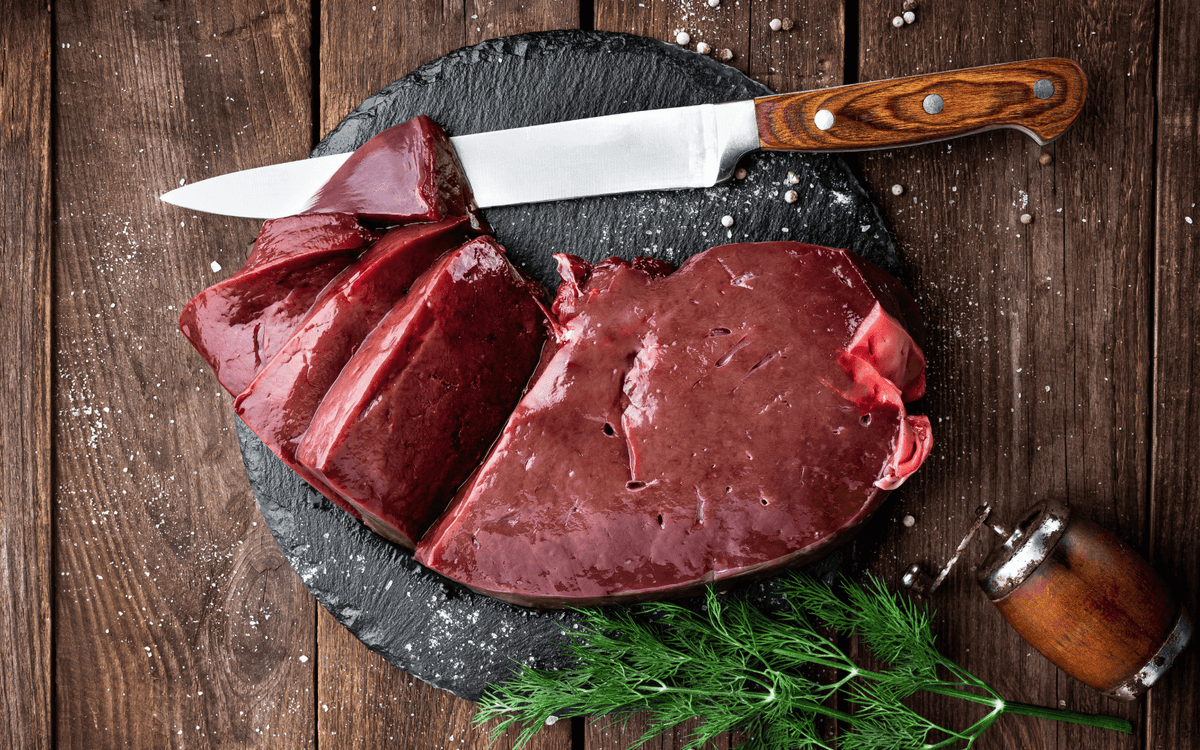
Our ancestors knew a thing or two about nutritious food. They'd fight over the liver and kidneys while leaving the muscle meat for last.
Sounds crazy in todays world, doesn't it? But they were absolutely spot on.
Most of us today wouldn't dream of tucking into heart, liver, or kidney, but offal is one of the most nutrient-dense foods on the planet, offering loads of important vitamins and minerals that can have a huge impact on our health.
In this guide to offal, we’ll be discussing the health benefits of different organ meats, the importance of food-based nutrition, and how to incorporate this nutritional powerhouse into your diet using tradtional and modern methods.

What Is Offal?
The offal definition is pretty straightforward. Offal refers to all the internal organs and parts of a butchered animal that aren't muscle meat. We're talking about liver, heart, kidneys, tongue, brain, intestine, and tripe. Some people call them variety meats or organ meats.
The term offal comes from "off fall", literally the bits that fall off when you're butchering. Don't let that put you off, though. These parts of the animal are absolute nutritional gold.
Despite being a centerpiece of many international cuisines, offal is not commonly consumed in the Western world. In many cases, we toss out offal when preparing chicken, beef, lamb, or pork, or give the organs to our pets.
This is a pity, as organ meats are far higher in nutrients than the muscle meats we’re used to eating and are a prime source of healthy fats, which drive an optimal ancestral lifestyle such as Keto or Paleo. Not to mention, many consider eating offal to be more ethical, as it uses every bit of the animal possible without letting any go to waste. A great nose-to-tail tradition.
If you’re having a hard time wrapping your head around eating organ meats, fear not. Offal can taste delicious when prepared correctly. Or, if eating organ meats just isn’t your thing, you can easily consume them in capsule form. We’ll talk about how to incorporate this superfood into your diet later, but for now, let’s dig into the benefits.
Types of Offal: Every Part Has Its Place
The Big Players
Liver – Nature's multivitamin. Beef offal liver is brilliant, but chicken liver is perfect for beginners. Dead nutritious and packed with vitamins.
Heart – Lean muscle that tastes more like regular meat. Lungs and heart often get sold together. Don't be put off by the name – it's actually quite mild.
Kidneys – Small but mighty. Liver and kidneys make the perfect pairing in traditional dishes. They've got that distinctive mineral taste that grows on you.
Tongue – Proper tender when cooked slow. Pickled beef tongue is a classic, or try stuffed roast heart if you're feeling adventurous.
The Traditional Favourites
Sweetbread – Not sweet, not bread, but absolutely delicious when done right. These come from the thymus gland or pancreas of a young animal and have a lovely creamy texture.
Trotter – Pig's feet packed with collagen. Brilliant in a slow stew or braised until they fall apart.
Oxtail – The tail end that becomes melt-in-your-mouth tender with a long cooking time. Perfect for warming winter stews.
Chitterlings – Intestine prepared traditionally. Popular in the English Midlands and across the pond in America.
Regional Specialities
Black pudding – Blood sausage that's proper nutritious. Each region has its own take on this classic pudding.
Haggis – The traditional Scottish haggis consists of boiled mix of liver, heart, and lungs stuffed into a sheep's stomach. Sounds rough but tastes brilliant.
Brawn – Head cheese made from pig offal. Cheeks and tongues get turned into this jellied delicacy.
Faggot – Pork offal mixed with breadcrumbs and seasonings. Comfort food at its finest.

The Health Benefits of Offal
While our ancestors couldn’t analyse the nutrient density of offal, they knew from experience that eating organ meats led to improved health. Through modern science, we can now confirm that their observations were spot on.
Offal—especially liver, kidneys, and heart—are jam-packed with nutrients that support health and well-being. Let’s take a look at the most common offal and the nutrition they offer.
#1 Liver
The concentration of nutrients in liver has earned it the nickname “nature’s multivitamin.” While pork and chicken liver are highly nutritious, beef liver is king in terms of providing vitamins and minerals.
Liver is brimming with:
- Preformed vitamin A: Also known as retinol, this vitamin is essential for eye and immune health. A mere 4 ounces of beef liver contains about 5,600 mcg of vitamin A—that’s about 400% of the RDA for vitamin A.
- Zinc: This mineral is a key player in immune health and hormone production.
- Choline: This essential nutrient supports cognitive health and cellular membrane support.
- Vitamin B12: This vitamin plays a crucial role in red blood cell formation, cell metabolism, nerve function, and methylation.[*]
- Folate: Also known as vitamin B9, folate is required for energy production, methylation, and DNA repair.
- Iron: This mineral plays an important role in red blood cell production.
- Copper: Beef liver is a rare dietary source of copper, which increases iron absorption in the gut.[*]
#2 Heart
Heart is an excellent source of CoQ10, a powerful antioxidant that helps your cells function. It’s been shown to be cardioprotective in patients with (or at risk for) certain cardiac diseases, including heart failure, atherosclerosis, and coronary artery disease.[*] As with other meats, heart is also rich in selenium, iron, and zinc.
The heart is a muscle and, as such, it tastes more like the muscle meat we’re accustomed to eating. Chicken heart in particular is a mild-tasting type of offal.
#3 Kidney
A basic tenet of Traditional Chinese Medicine is that consuming organ meats from animals will support the same organ in your own body. Ancestrally, this is known as the “eating like to support like” wisdom. This certainly holds true for kidney, which is chock full of selenium— an antioxidant mineral that plays an important role in kidney health.[*] Selenium is also essential for immune health and sex hormone production.[*]
#4 Tongue
If you’re seeking a nutrient-dense fat bomb, look no further than tongue. This type of offal has a similar micronutrient profile as other meats (high in iron, zinc, etc.) and offers a whopping 18 grams of fat per 4 ounces (for beef tongue). This makes it an ideal food for those following a high-fat ketogenic diet.
#5 Stomach and Intestines
While stomach and intestines aren’t as nutrient-rich as the above options, they’re a great source of collagen, which offers rare amino acids (glycine and proline) that support wound healing, stable blood sugar, and the health of skin and hair.[*] The most commonly served form of this offal is tripe—the inner lining of an animal’s stomach.
The Importance of Food-Based Nutrition
Consuming whole foods offers more benefits when compared to taking isolated nutrients in pill form. This is because whole foods contain a complex combination of enzymes, compounds, vitamins, minerals, and cofactors that your body needs.
When consumed through whole foods, the combination of nutrients in organ meats provide a synergistic effect—a concept called “food synergy.”[*] In other words, nutrients like vitamin K, vitamin D, and zinc don’t operate alone, but rather in combination with each other. When you take isolated nutrients in a synthetically produced pill, this synergistic effect isn’t achieved.
Alternatives to Offal
Look, not everyone can stomach the thought of cooked beef heart for breakfast. Maybe the idea of chitterlings makes you queasy. Perhaps you can't get past the meaning of offal being "the bits that fall off."
We completely get it. Not everyone wants to eat offal!
But you shouldn't miss out on the most nutritious food on the planet just because you can't face chewing through sweetbread or liver!
That's exactly why we created our organ meat supplements.

Get the Power of Organ Meat Without the Offal
Our capsules give you all the nutritional power of grass-fed Icelandic lamb offal without any of the prep work, strange textures, or acquired tastes. No cooking time, no wondering if you've prepared intestine properly, no worrying about whether that stomach stuffed with a boiled mix is actually edible.
Hunter & Gather offers Nature's Ultimate Multivitamin in pure, potent capsule form. Our 100% freeze-dried organ meat from grass-fed Icelandic lamb packs all the vitamins and minerals your body craves.
No antibiotics, no GMO feeds, no hormones.
Just the most nutritious food on the planet in convenient capsule form.
Three Powerful Options

PERFORM Capsules - 100% Grass Fed Lamb Liver & Heart: This 50/50 blend gives you the best of both worlds. Liver for energy and immune support, heart for cellular energy. Your daily multivitamin sorted.

LIVER Capsules - 100% Grass Fed Lamb Liver: Nature's superfood in capsule form. Concentrated Vitamin B12, Vitamin A, Iron, and Copper. Perfect for boosting energy and supporting immune health.

KIDNEY Capsules - 100% Grass Fed Lamb Kidney: Rich in DAO (Diamine Oxidase) for natural histamine support. Kidney nutrition without the preparation challenges.
Bioavailable Nutrition
Our supplements are easily absorbed by the body, just like fresh organ meat. Six capsules daily equal 30g of raw, fresh organs.
No cooking time, no sourcing challenges, no convincing the family to try offal recipes.
Ready to experience the ancient wisdom of nose-to-tail nutrition made simple?
Explore our full range of Hunter & Gather Organ Support Supplements and get all the benefits of offal without any of the fuss.
Perfect for People Who
- Can't stand the texture of organ meat
- Don't have time to source proper offal from a butcher
- Travel frequently and need consistent nutrition
- Have family members who refuse to try offal recipes
- Want the nutrition without the kitchen experiments
Same Nutrition, Zero Hassle
The nutrients in our capsules are easily absorbed by the body, just like fresh organ meat. No synthetic rubbish here, just pure, freeze-dried lamb offal goodness.
Sourcing Your Offal: Where to Find the Good Stuff

Your Local Butcher Is Your Best Friend
A proper butcher will sort you right out. They often throw away pork offal, lamb offal, and beef offal because nobody asks for it. Build a relationship with them, they may even save you the best bits.
Many types of offal don't make it to the supermarket shelves. Your butcher is your gateway to varieties of offal you never knew existed.
What to Look For
Fresh organ meat should look bright and smell clean. No off colours, no dodgy smells. The parts of the animal should be kept properly cold.
Grass-fed animals give you better nutrition. Their liver and kidneys will be packed with more nutrients than grain-fed alternatives.
Safety First
The UK's Food Standards Agency has very strict rules on things like BSE (often called 'mad cow disease'). Just be sure to buy from a reputable butcher or supermarket and you'll have nothing to worry about. The safety checks in place mean the risk of vCJD is now effectively zero.
How to Incorporate Offal into Your Diet
While some people enjoy the taste of organ meats, others don’t or are hesitant to try them due to fear of the taste. If you fall in the latter groups, you have two options when it comes to adding offal to your diet: make it taste good or take it in supplement form.
To mask the natural taste of offal, try whipping up a recipe that uses other flavorful ingredients, such as our Zuppa Toscana Soup with Added Organ Meat.
Offal Cooking Methods For Best Results
Getting the Cooking Time Right
Liver needs quick cooking – 2-3 minutes per side max. Overcook it and you'll have shoe leather.
Heart can go fast or slow. Slice thin and flash-fry for 2-3 minutes per side, or stuff it whole and slow-cook for 4-6 hours.
Kidneys want high heat and speed. Fry them for 2-4 minutes for the best texture.
Tongue needs patience. 3-4 hours of slow cooking until it's tender enough to cut with a fork.
Traditional Techniques That Work
Sweetbread benefits from a quick blanch first, then fry until golden. Some folks like them fried with crustcrumbs for extra crunch.
Trotter needs long, slow braising. The collagen breaks down and you get that sticky, rich texture.
Oxtail in a proper stew takes hours but it's worth every minute. The meat falls off the bone.
Classic Offal Recipes You Need to Try
British Classics
Steak and kidney pie – proper comfort food combining beef or pork with kidneys in rich gravy.
Black pudding – blood sausage that's highly nutritious and tastes better than it sounds.
Humble pie – originally made with offal, this dish gave us the saying about eating humble pie.
International Favourites
Anticuchos – Peruvian grilled heart skewers that'll change your mind about organ meat.
Pâté – French liver preparation that's smooth as silk.
Menudo – Mexican stew using intestine and other varieties of offal.
Modern Takes
Offal burgers mixing organ meat with regular mince. You won't even know it's there.
Bone marrow on toast with herbs – trendy but traditional.
Chicken liver parfait that's restaurant-quality at home.
Regional Specialities Worth Knowing

British Isles
Black pudding varies by region. Lancashire makes it differently to Yorkshire, and even Ireland has its own version!
Brawn – head cheese made from pig offal that's set in aspic. Popular throughout the UK.
European Traditions
Sweetbread prepared French-style with cream and herbs.
Trippa – Italian tripe that's slow-cooked with tomatoes.
Veal organs prepared in countless ways across Europe.
Global Approaches
Chitterlings prepared soul food style in America.
Mutton organs cooked in traditional Middle Eastern spices.
Lamb offal prepared Mediterranean-style with olive oil and herbs.
The Future of Offal
Offal is having its moment again. Proper chefs know that organ meat is where the flavour and nutrition live. Nose-to-tail dining isn't just trendy, it's how we should have been eating all along.
The movement toward using every part of the animal supports small farms, traditional food systems, and optimal nutrition. Use offal and you're part of something bigger.
Even pet food companies are waking up to the value of organ meat. If it's good enough for your dog, shouldn't it be good enough for you?
The Bottom Line on Offal
Offal represents proper nutrition that we've somehow forgotten. These highly nutritious parts of the animal offer more vitamins and minerals than any muscle meat could dream of providing.
Whether you choose to explore offal recipes in your kitchen or get your organ meat nutrition through our organ supplements, you're tapping into thousands of years of ancestral wisdom.
Don't let these nutritious powerhouses go to waste. Your body deserves the best fuel possible, whether that comes from your kitchen or from our carefully crafted supplements.
The choice is yours – but missing out on organ meat nutrition isn't really a choice at all. It's just leaving money on the table and nutrition in the bin.
All information provided on our website and within our articles is simply information, opinion, anecdotal thoughts and experiences to provide you with the tools to thrive.
It is not intended to treat or diagnose symptoms and is definitely not intended to be misconstrued for medical advice. We always advise you seek the advice of a trained professional when implementing any changes to your lifestyle and dietary habits.
We do however recommend seeking the services of a trained professional who questions the conventional wisdom to enable you to become the best version of yourself.
Egg Yolk Nutrition: Why You Should Never Skip the Yolks
Inexpensive Cuts of Meat to Look Out for at the Supermarket